“To Be As Rich As Croesus”
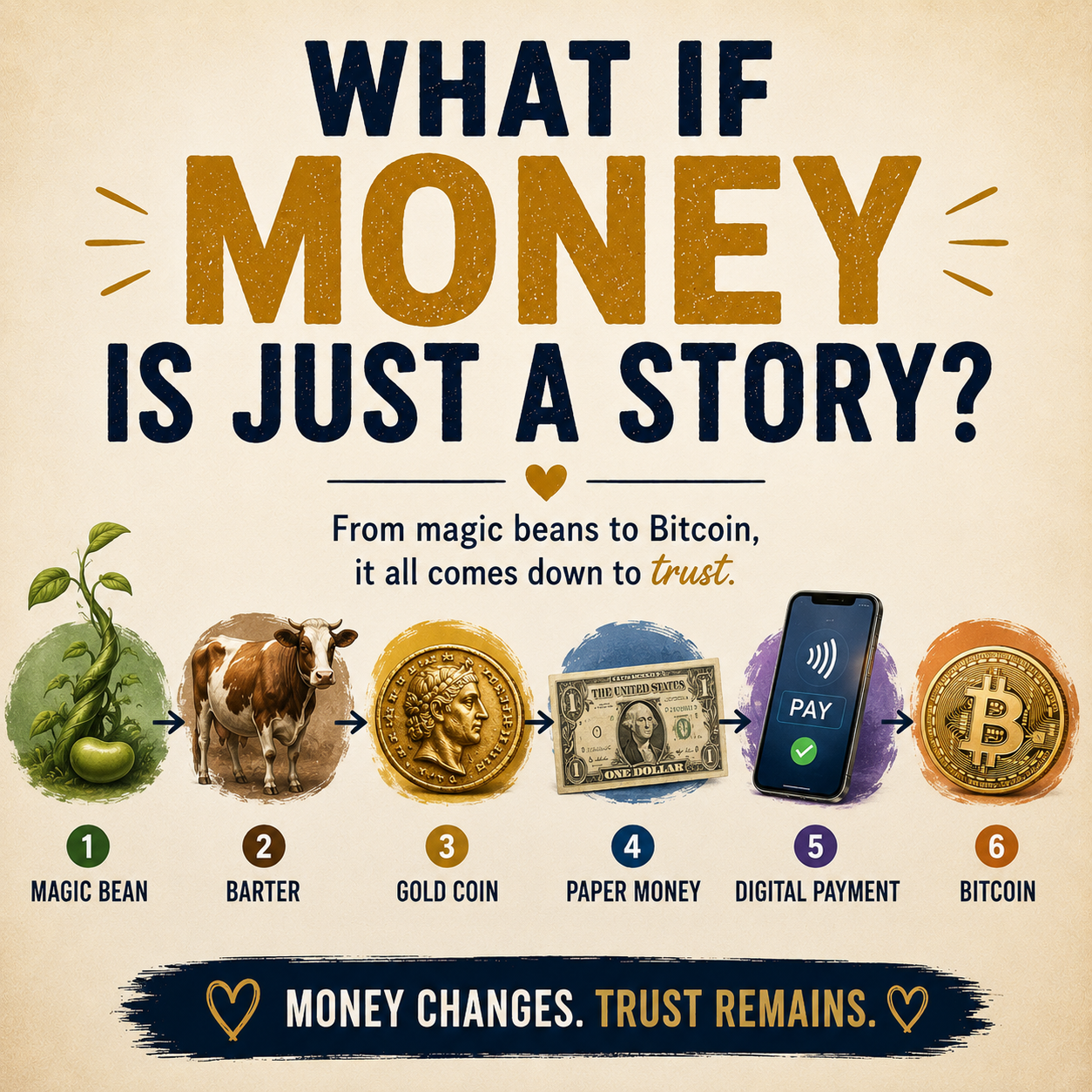
“Some men worship rank, some worship heroes, some worship power, some worship God, and over these ideals they dispute and cannot unite – but they all worship money.” Quote from Mark Twain.
When we lived in downtown Chicago, I became a docent for the Chicago Architecture Foundation. To become a docent for this organization I went through nine months of schooling where I had to write papers about all the buildings in the area I’d be talking about. These classes were interesting to me because I’d lived in Chicago my whole life and I’d pass these buildings never thinking about them. They were always there. And it occurred to me money is pretty much the same thing. Everyone deals with money every single day. But do you ever take the time to look at it? Or, think about how it came about?
So I started doing research. The etymology of the word for money comes from the goddess Juno Moneta. Her name became mint, then money. With my new knowledge I decided to go to schools and teach children about the creation of money, much like I did with creation of the American Flag. This time I dressed as the Monopoly Man because to me he was an icon for money.
How did I dress? I purchased a black morning coat with tails. I also wore a white vest, carried a walking stick and a wore a bowler hat. To make sure the children enjoyed the experience, I had my husband bake cookies in the shape of the dollar sign.
I’d start my story with the fable of ‘Jack and the Beanstalk’ because every kid is familiar with it.
To refresh your memory: Jack’s mother sent him to market with their last cow. “Trade it for food,” she said. He comes home with a bean. Jack traded something real, the cow, for a promise that the bean would grow. Jack’s trade was called a barter.
A king living in a country called Lydia around 560 BC had the same idea. King Croesus was so rich that people today say “To be as rich as Croesus” He lived near a river where gold flowed. He looked at his river and thought,”What if we didn’t trade for cows? What if we traded the promise? With this idea he melted the gold in a big bowl and stamped his face on it and said, “This gold is worth a sheep, Or wheat. Or a day’s work. Because I say so and you have FAITH in me.”
Jack traded a cow for a bean and hoped. Croesus made hope fit in your pocket and called it a coin. This was the first time that anyone said ‘Trust the symbol, not the thing’.
Jump to Venice in 1295. The explorer Marco Polo travels to China. When he returns to Venice he says, “Guys, they’ve got money you can fold! They call it ‘flying cash’. Look, it’s as light as a leaf. Why are we hauling coins?”
But its wasn’t paper like our printer paper. Real paper turns to mush when it gets wet. In China they used linen. They painted it and stamped it with the emperor’s seal. However, Flying Cash was not accepted in Europe. It took 366 years for them to change.
In 1775, the American Revolution needed an army. Armies need food, therefore money. But we don’t have any. So Congress prints our own money, and call it “Continental Currency.” Interesting fact: Benjamin Franklin designs them. The bill says “Trust Us. Win the war, and this paper will be good.” I feel this was a good incentive to win the war.
But we printed too much. and the British printed fakes to wreck us. Soon the Continentals were worthless. And a new phase is developed; “Not worth a Continental.” Meaning it was worthless because the promise was broken.
In 1792, Alexander Hamilton, the first Secretary of the Treasury says, “Fine. You don’t trust paper? Trust the metal” He starts the U.S. Mint. Recycles the Spanish dollars, which were made of silver and stamps Lady Liberty on them. And tells the people, “Bite the coin. If it’s real you’re good.”
In 1862, Lincoln needs to pay the army and there is no metal left. He prints paper again and calls them Greenbacks because the back was printed in green ink. Cheap and hard to fake. On the bill it says, “Trust the Union, Win the War, and this paper is good.” Sound familiar?
In 1879 there was a new rule; The Gold Standard. Now the Government said, “Carry paper. We’ll guard the metal.” To explain. You did not have to carry gold. After the Civil War, Greenbacks worked. But people still whispered; “Is this another Continental?” So the U.S. made a promise. “Don’t worry. You can trade the Greenback for gold if you want at any time and at any bank.” They gave a value of $20.67 in paper to one ounce of gold. And it worked for 92 years.
That was until August 15, 1971. The country was running out of gold at Fort Knox. President Nixon went on TV and said. “We’re closing the gold window.” Now the money is backed by “Trust in the Government”. And that’s how we stand today. Trusting the U.S. Government will preserve the value of our money.
For 2,000 years we built banks to look like Greek or Roman temples. Big columns. Stone steps. Like we were praying to gold instead of the ancient gods. But now do we need banks? You tap your phone to use Apple Pay, Venmo, PayPal, ATH Móvil and Bitcoin. No temple. No gold. No paper. We went from beans, to coin, to paper, to gold, to trust in the government and now to code. I feel money is a barter/trust we all must to agree to believe in, otherwise were back to schlepping cows!