Preparing Your Loved Ones For Your Death.
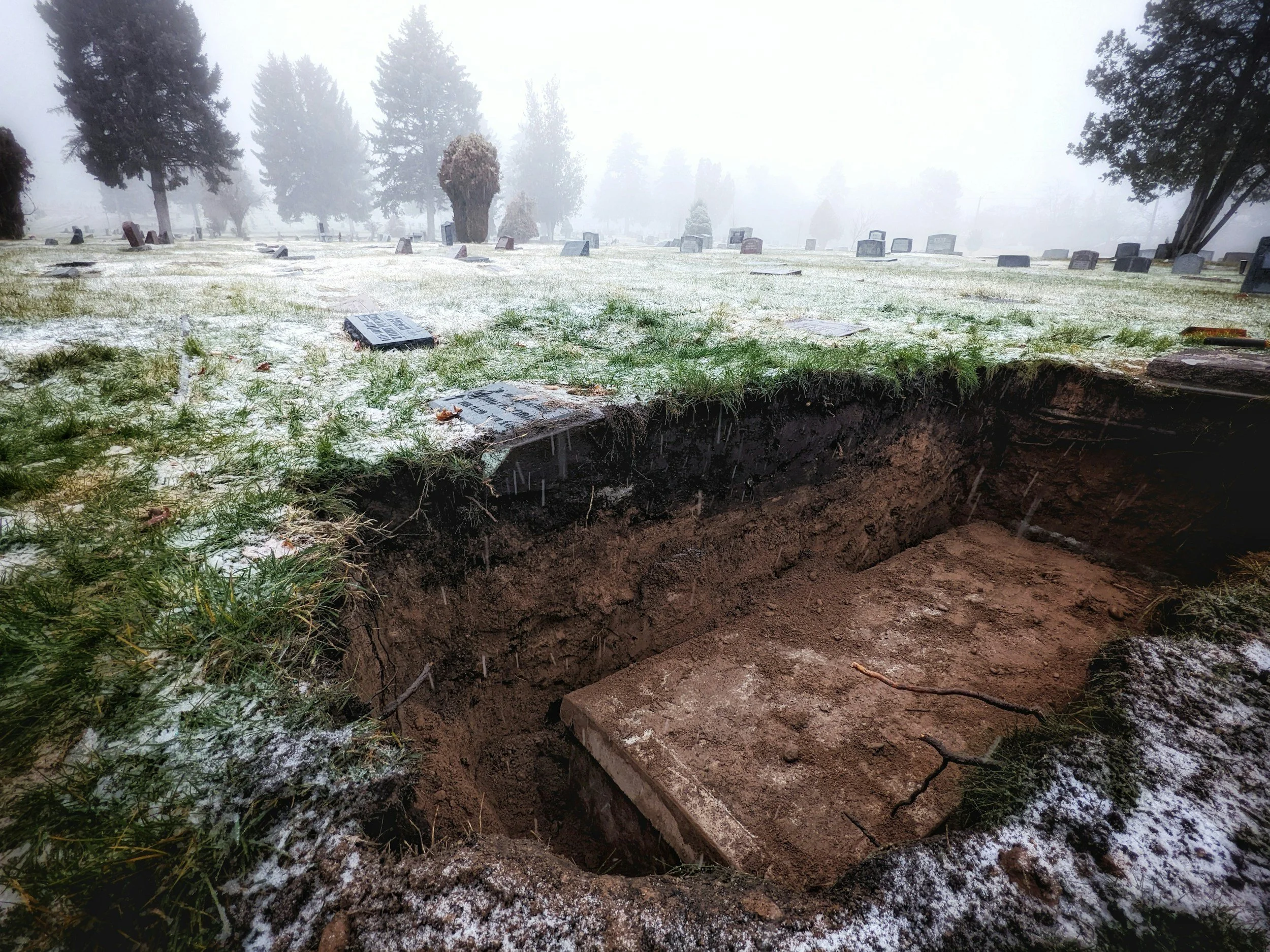
“When I think about death, suddenly a lot of day-to-day stresses become so small and so silly. I think it’s the quickest way to restore perspective and remember what really matters to you. Also, preparing for our deaths is like one of the greatest gifts we can give to our loved ones.” quote from Candy Chang, an artist, designer, and urban planner.
Recently, our 48-year-old daughter visited us, and I saw it as an opportunity to share important family documents and information with her, such as our wills and other vital papers. But as I went through the details, I noticed she seemed uncomfortable and on the verge of tears. I’ve learned through my own experiences, discussing mortality can be tough. But it is essential to prepare children for the inevitable losses they’ll face in life.
When I think of end of life I feel as though we have not been taught how to prepare ourselves. Religion does try to give explanation, yet whenever the conversation turns to discussions of death, people become uneasy. When I think about death my mind always brings me to the wisdom of King Solon when he advised King Croesus, the wealthiest man in the world at that time. King Solon tells Croesus that people can’t be considered happy until they’re facing death. In other words, I feel his message is that we are so afraid of death that we can’t enjoy life. In the book “The Giver” by Lois Lowry, children visit the “Aging Place” where elderly people go to die, as part of their community’s ritual. And I have always found it interesting that in the cemeteries near my former home in Chicago, the headstones are slanted, making them easier to read. but almost invisible, giving the appearance the grave yard is a beautiful field. Whereas in Latin countries the headstones are huge and many times entire families are entombed together. I feel we are afraid of death, “The Great Unknown.”
Caring for my parents taught me the importance of being prepared. I took on a lot of responsibilities, managing their living situation, finances and valuables. They included me when they had an appointment with their lawyer, yet they did not protect me. Life is short, and it’s essential to face reality; if we don’t plan ahead our loved ones may be left with a heavy burden. I hope this blog helps you get organized and start important conversations with your family.
When it come to discussing sensitive topics like end-of-life planning or important family matters, the approach can vary depending on your family’s dynamics. I would suggest approaching this topic by setting a date and letting your entire family know what you want to discuss to prepare them. Be clear and direct when discussing this topic, and try to listen carefully to your children’s thoughts. My in-laws felt a lawyer telling us their wishes was the way to go. Sometimes, having a neutral third party can help facilitate these conversations and provide guidance. Remember if we do not prepare, the consequences may be difficult to grapple with. Don’t we all know stories of children suing each other over their parent’s wills and especially the distribution of assets.
So, what and how do you start this conversation? Well, as any seasoned expert will attest, having a plan in place is crucial. Be prepared for the complexities of bureaucracy, which can be overwhelming. By being proactive and organized, you can alleviate some of the burden on your loved ones and ensure your wishes are respected.
Creating a folder (physical or digital) to store important documents)
Will/trust information with your lawyer’s name and phone.
Birth certificate
Marriage and divorce certificates
Social security information (S.S. must be contacted when you die)
Life insurance policies
Financial documents ( bank information and brokers for stocks/bonds, deed to your home if you own, real estate property numbers, water and electric accounts, cable information, and car registration and license information)
If your loved one was still working, contact their employer and request information about benefits.
Gather all credit and/or debit card info “ie” Master Card, Visa, American Express, Discover etc….
If you or a loved one is a veteran, inquire about special arrangements
And the most important information is to give your loved ones YOUR PASSWORDS!
Funeral Arrangements
State how you want to be interned
Burial: cost of being buried can vary significantly depending on several factors like location, funeral home service, embalming, preparation of the body, funeral director’s services, casket, plot, Grave opening/closing and and headstone or marker
Cremation: costs are more affordable with costs ranging from $1,000.00 to $6,000.00. Then you can have several options for handling the ashes: Scattering, Urn or Vase to be kept in a home or a columbarium, Burial, Memorialization, Tree Burial.
Be sure to obtain more than 10 death certificates.
Other issues to keep in mind
Sign a DNR (Do Not Resuscitate) order and keep it visible in your home and take it with you to the hospital
Complete an advance directive specifying any wanted or unwanted medical procedures and/draw up a Power of Attorney and designate a proxy to make any necessary medical decisions.
State preferences regarding organ donation.
Be aware, if your loved one dies in the hospital, the hospital will assist you with the transport, but be prepared for mortuary charges. If your loved one dies at home and is under hospice care, call the hospice. They can certify the death and help transport the body. But if your loved one passes at home without hospice care call 911. Because they died at home, there could be an investigation by the state medical examiner that may require an investigation or autopsy. A clinical autopsy can cost $1,000.00 to $2,000.00, a forensic autopsy cost is around $2,500.00 to $4,000.00 and a private autopsy cost is $1,500.0 to $5,000.00. It’s essential to be aware of these details to help navigate the process during a difficult time.
When a loved one passes away, it’s essential to notify others and share their passing with the community. Publish an obituary in the newspaper or on line obituary platform. This typically includes the deceased’s full name, but do not include their exact age or residence because this could be used as identity theft, date of passing, surviving family members and funeral or memorial service details. Also include information about donations or memorials in lieu of flowers. By being mindful of these details, you can create a respectful and informative obituary that honors your loved one.
4. Once the burial is completed, you will need to:
Contact a trust and estates attorney, to learn about next steps to secure assets, how to transfer assets and assist with probate issues. You may need to open a bank account in the name of the estate to pay bills.
Take the will to the appropriate governmental office to have it accepted for probate.
Contact your accountant or tax preparer, to file a final tax return for the deceased person. If you file as a married couple, find out whether an estate-tax return or final income-tax return should be filed as well as a separate tax return for the estate.
Talk to the deceased’s financial advisor about the best way to transfer investments, savings and other accounts. Remember things like title of car, car insurance, home or renters insurance, health insurance, parking spaces, gym memberships, mobile phone, magazine subscriptions and changing names on utility bills. Surprisingly even after a year there can be automatic renewals that might be charged.
Contact your insurance agent, to get the necessary claim forms.
Freeze all credit cards and other automatic payments until the will is through probate. Alert Equifax, Experian and Trans union to ensure there is no postmortem identity theft.
Contact Social Security (800-772-1213; socialsecurity.gov) and other agencies from which the deceased received benefits, such as Veterans Affairs (800-827-1000; va.gov), to stop payments and ask about applicable death and survivor benefits.
Determine if there is a pension, contact financial institution to stop monthly check, check for beneficiaries and get claim forms.
Notify the post office. Use the forward mail option. This will prevent accumulating mail from attracting attention. It can also inform you about subscriptions, creditors and other accounts that need to be canceled. This mail that comes in will be very valuable in tracking down what you may not have thought of. It can be a treasure trove of information,”
Preparing your loved ones for your death isn’t just about paperwork and logistics; it’s also about showing love and care for those who will be left behind. One way to do this is by simplifying your belongings and sharing meaningful items with your family. So to recap: Please do not leave this planning for “a rainy day. ” Have conversations with your family and show them where you left your information. Protect the ones you love so that they do not have a double hardship of your loss and the work left behind. Remember having open and honest conversations about dying and death are important and in a way, they can teach us how to live.
My next post: “Figuring things out as I go”, is about how I am dealing with my own mortality.