Rosh Hashanah and Yom Kippur
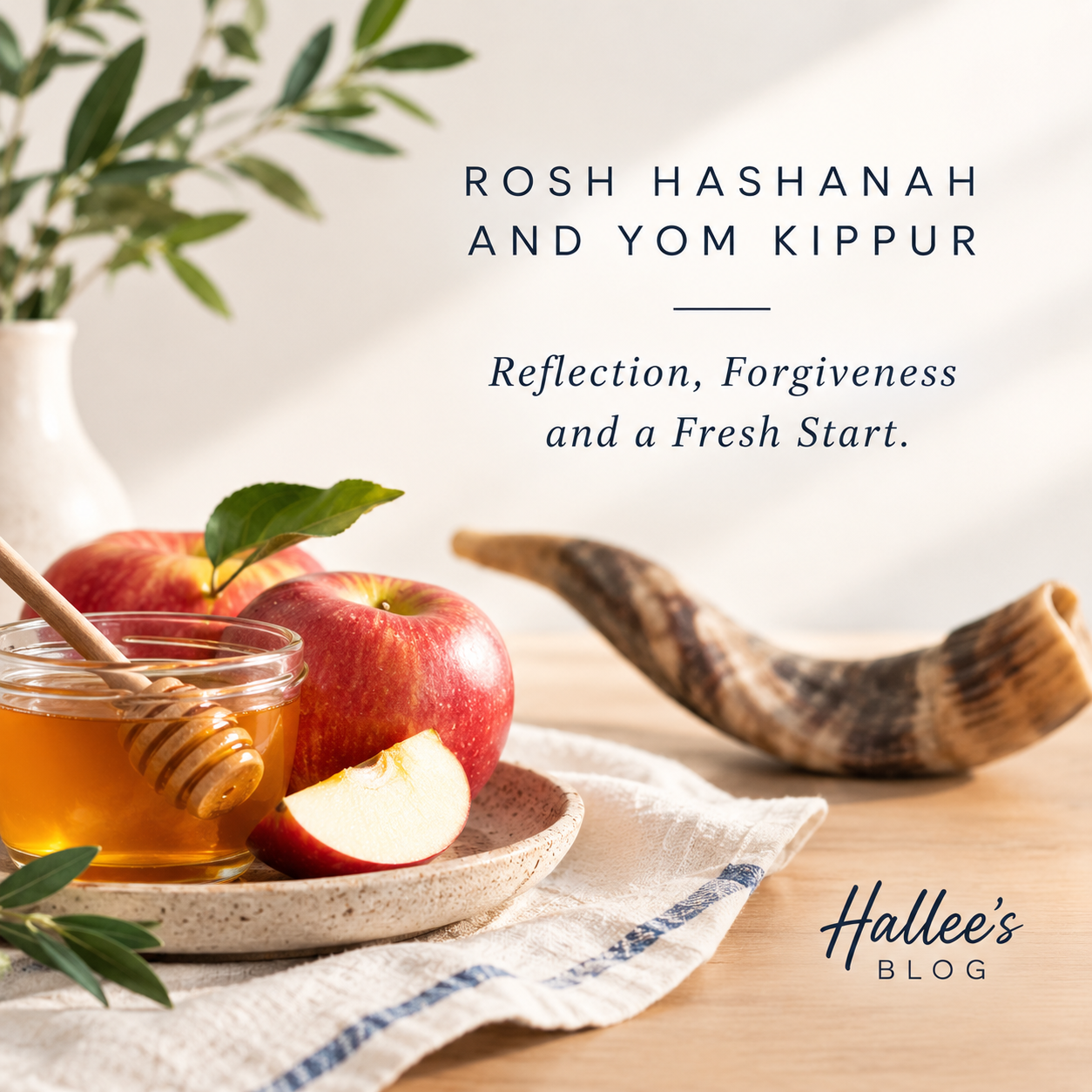
Rosh Hashanah and Yom Kippur are marked by powerful reflections on judgment, renewal and the opportunity to change our lives.
This weekend is Rosh Hashanah, the Jewish New Year. Rosh mean head , Hashanah means the year. We are now entering the year 5787 in the Jewish calendar. It isn’t celebrated like New Year’s when the year changes on December 31/January 1 with fireworks. It’s more sober and quieter.
I grew up in a Jewish community in Chicago called Lincolnwood. For the High Holy Holidays, Rosh Hashanah and Yom Kipper every Jewish store was closed and our school closed as well to honor the holiday. My mother would purchase new clothes for my brother and me. For her part, she would always wear her fur cap even though the temperature could be in the 90s.
Our family would get into our ford station wagon and drive to Niles East High School. This is where the services took place. Our congregation in Skokie was a small building on Dempster Street and could not hold all the people who wished to attend services. I believe the auditorium only held 200 people, but on the High Holiday’s every Jew felt completed to go to hear the ram’s horn and pray for a better year. There could be a thousand or more at the celebrations at the high school’s auditorium.
I would meet my cousin Janet at the high school. Our families always sat together. The Rabbi and Cantor would speak in Hebrew and everyone followed along in the prayer book. We had no idea of what was going on, so, as soon as the Rabbi had us stand for some unknown reason to us, we escaped. However, there really was no where to go, because all the stores were closed. We would wander outside of the high school auditorium and meet with other kids who were just a bored as we were.
Because I was not given a formal religious education, never attending student classes at the temple, I never understood the significance of the two days. I believe my parents felt I would understand by osmosis. It wasn’t until I attended DePaul University and took a class on Judaism that I was taught why these two days are so important to the Jewish World.
Rosh Hashanah celebrates the birthday of the universe. The day Adam and Eve were created and the day God was crowned as King. That’s why you will hear the SHOFAR, or the ram’s horn. It is blown like a trumpet because it’s a coronation. This begins Ten Days of Repentance, which ends with Yom Kippur. During this time you are to reflect on the past year. What did I do last year? What do I want to do differently?
Between Rosh Hashanah and Yom Kipper there are ten days called the Days of Awe. This is the window for you to make amends with somebody you had a fight or disagreement with. Also during this time in Jewish tradition, on Rosh Hashanah, God writes your name in a book. During the ten days of Awe, the book stays open. On Yom Kippur, it gets sealed. Personally, I have always enjoyed the Days of Awe. As a woman who gets into situations with friends all the time, it gives me a chance to humble myself and ask to be forgiven.
Yom Kipper is the Day of Atonement. This is viewed as the heart of the year. You ask; “What will I do about what I know now?” This day is the most quiet, serious day in the Jewish year. No food, no work, a full 25 hours of fasting and thinking. It’s not meant to punish, but to clear the slate. To say I’m sorry and to start sweet and clean.
I have never been able to fast, but I did always love the apples and honey the traditional food we ate after Rosh Hashanah. The apple represents the year, round, whole, full. The honey is for sweet, not just sugar sweet, but kind sweet, and good days sweet. And the little wish my mother always said before giving me this treat. “May we have a sweet new year.”
So, Shana Tova. May your year be sweet.