Fads through the Ages
“Great things are not accomplished by those who yield to trends and fads and popular opinion.” quote of Jack Kerouac.(an American novelist, poet)
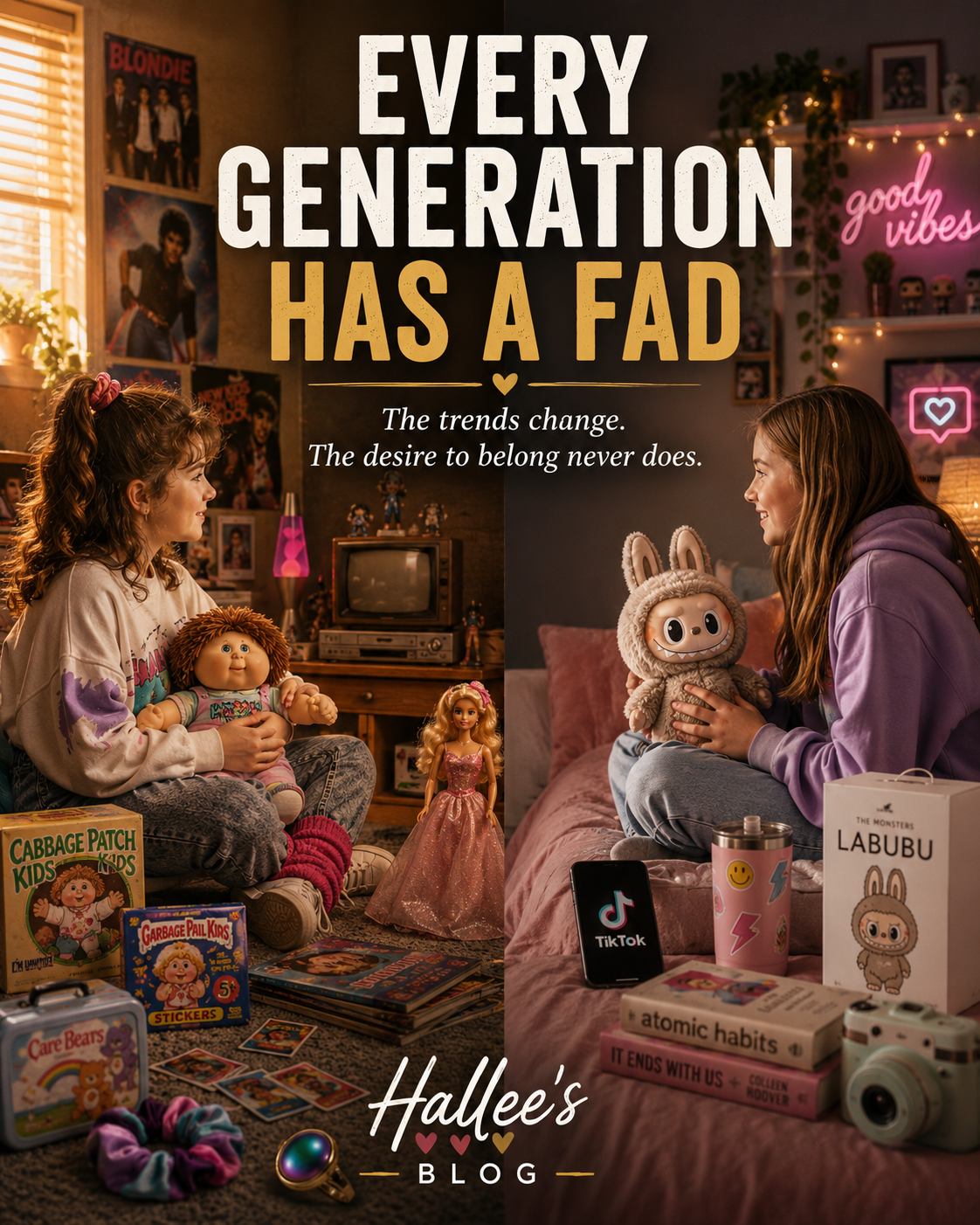
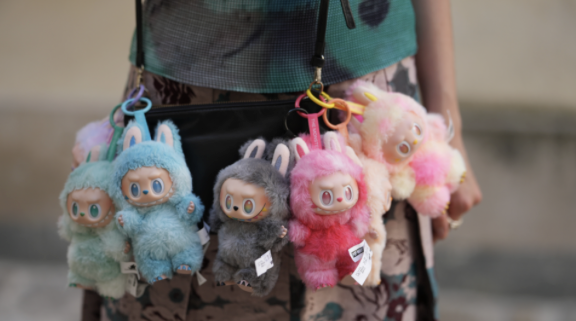
One way to stay current is by connecting with people of different generations. Recently, my eleven-year-old granddaughter visited, and I got to learn about a new fad that her generation is really into, The Labubu Monster Dolls. I asked her how she learned about this doll and she went right away to Tik Tok for the information and Amazon to order. I remember being young and getting caught up in the latest crazes which I learned about in school or on television commercials. I’d beg my mom to take me to the store to buy the toy I knew everyone in school would have. I feel the desire to belong drives people to conform to fads and trends, often influencing their behavior and choices.
The definition of a fad is essentially a short-term surge in demand and a spike of shared interest. Fads are as old as consumer behavior itself, initially dominated by luxury goods exclusive to the wealthy. However, with the advent of mass productions and increased accessibility consumer culture underwent a significant shift, enabling more people to participate in trends and buy into fashion. A few notable examples that caught my attention include….
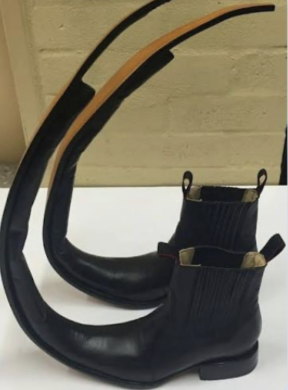
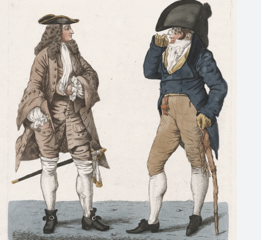
In the 1400s, men wore Piked Shoes, think court jester. These shoes had extremely long, pointed toes, which needed to be attached with garters or ribbons to the knee to prevent them from dragging on the ground. The length of the toe was a status symbol, with longer toes indicating higher social standing. These shoes deformed the men’s feet, and made them trip. King Henry IV, had them banned and fined 30 shillings to any man wearing them.
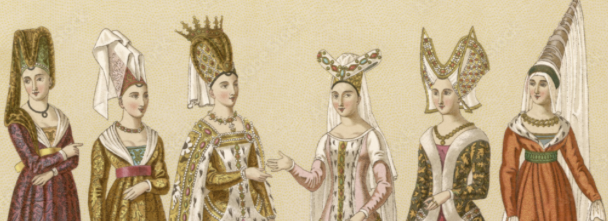
In the 15th century a women’s trend was the tall, cone-shaped headdress.
Around the same time the fad for men was to stuff padding in their tight hose to make their legs appear more muscular.
When viewing portraits from the sixteenth century in an art museum, you might notice the elaborate gathered white frills around the subjects necks.This style, known as ruffs, were a status symbol, reflecting the wearer’s wealth and ability to afford such intricately crafted and labor-intensive clothing.
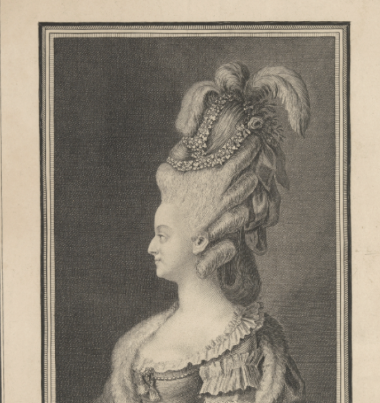
In the late 1700s, Marie Antoinette popularized the pouf hairstyle, a towering wig adorned with feathers, flowers and other ornaments. This extravagant look was achieved by using wire frames, padding and copious amounts of hair powder. Men also adopted the style, wearing their hair long and powdered to showcase elegance and wealth.
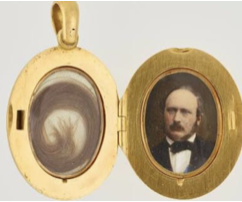
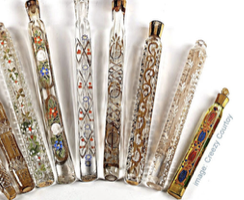
The Victorian era had some unique ways of coping with grief. Using human hair in jewelry was a tangible way to hold onto memories of loved ones. Then there was the concept of tear catchers, where the mourner would catch their tears in a bottle with a special lid. When the bottle was dry, so was your time of mourning.
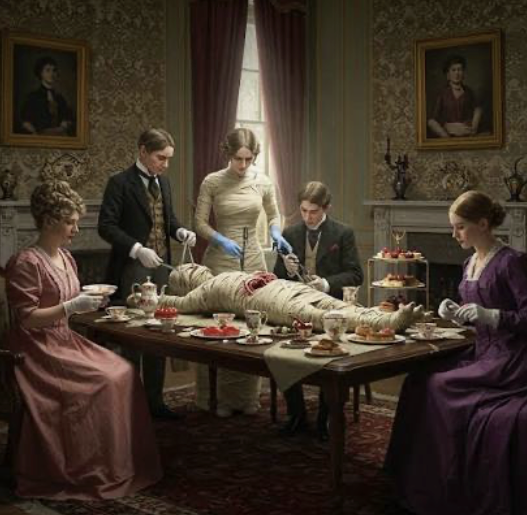
One of history’s strangest fads emerged in the nineteenth century after the tombs of pharaohs were discovered. Egyptomania swept through the upper classes, and people started hosting mummy unwrapping parties. Hosts would invite friends to watch as they unwrapped an ancient Egyptian mummy, often with the mummy crumbling to dust as it hit the air.
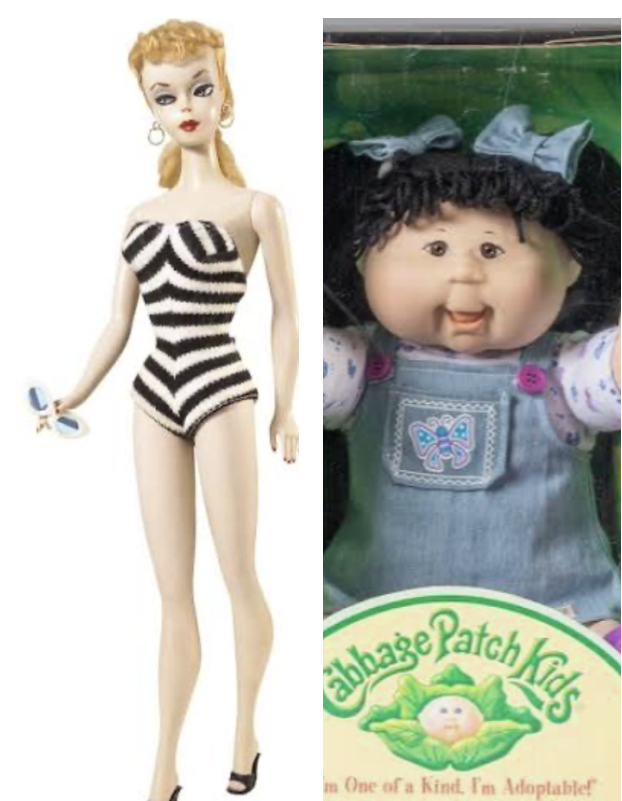
Fads have come a long way from being exclusive to the wealthy, evolving into dance crazes, gadgets and toys that showcase the latest technology. Looking back, to the 1950s, Barbie dolls were all the rage, while the boys were obsessed with G.I. Joe. Later, as a thirty-year-old, I got caught up in the mood ring craze, feeling like I couldn’t breathe until I had one on my finger, supposedly revealing my innermost feelings. And I will never forget braving a Chicago snowstorm to buy Cabbage Patch dolls. It’s the Garbage Pail Kids cards that I remain grateful for, as they encouraged my son of five to communicate with others. In the end, these passing trends often leave lasting impressions and shape the way we connect with each other.